
10 Best Workforce Management Software for Security Teams
Key Takeaways
- Security operations require specialized workforce platforms capable of enforcing mandatory guard licensing, post-compliance, and real-time site coverage.
- Generic scheduling tools fail in security environments because they cannot track guard license expiration dates, enforce client-specific site instructions, or handle last-minute call-outs safely.
- Essential evaluation criteria include automated license tracking, GPS geofenced post check-ins, lone worker safety alerts, and multi-site post management.
- Implementing platforms like Ubeya connects core security guard dispatch software with flexible contingent pools, automated compliance checks, and real-time incident reporting.
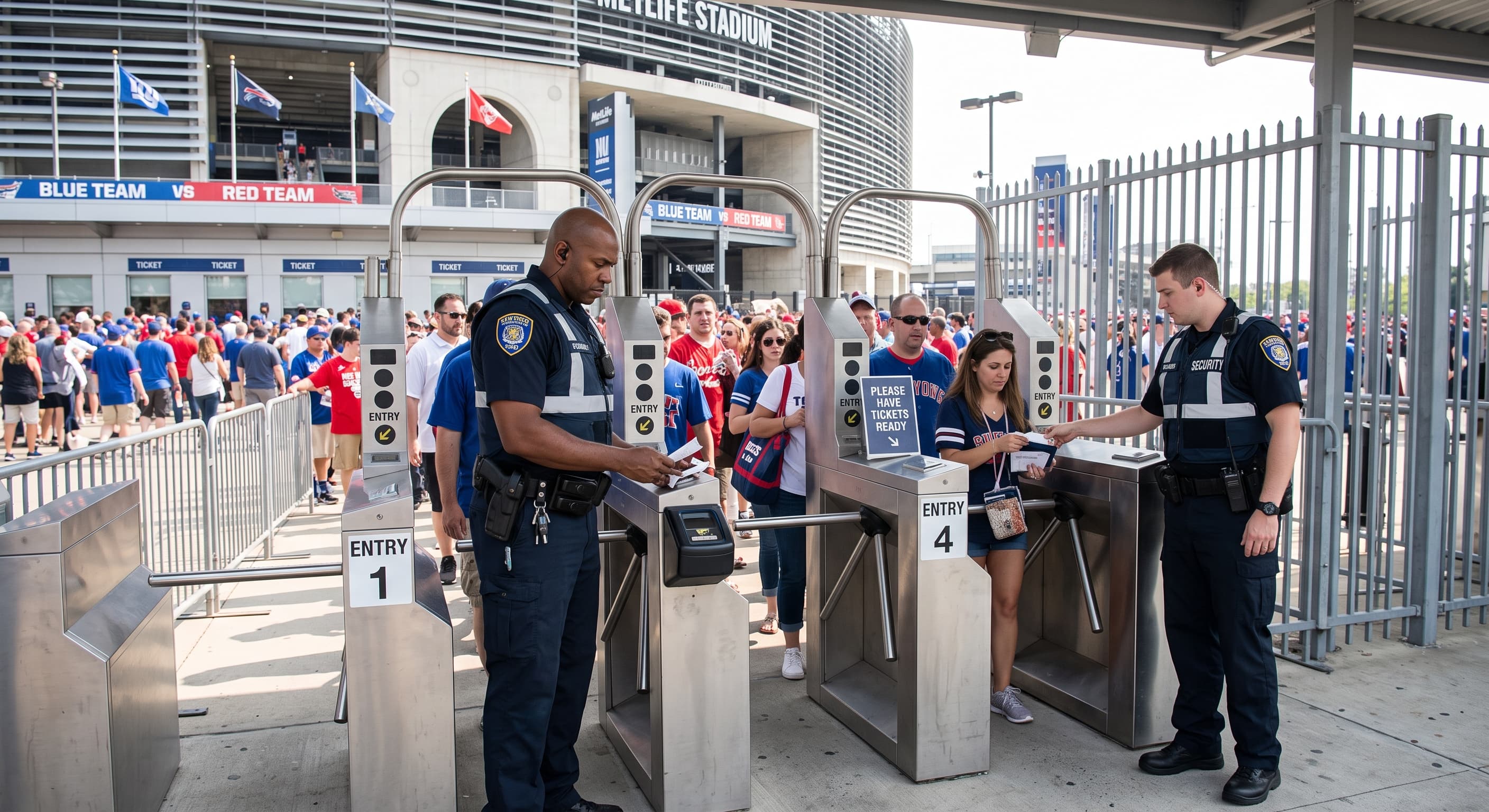
Managing security guard dispatch software across stadiums, corporate campuses, construction sites, and live event venues requires constant operational precision. Because security operations carry strict legal liabilities, deploying uncertified, unlicensed, or fatigued guards puts client safety and company contracts at serious risk. Relying on paper post logs or manual messaging threads leads to unmonitored post vacancies, expensive overtime spikes, and severe compliance violations.
Adopting purpose-built security management software gives security directors and dispatchers the digital tools needed to automate post scheduling, enforce credential compliance, track guard movements in real time, and verify shift fulfillment across every client post.
Where Basic Scheduling Tools Break Down for Security Teams
Standard employee scheduling tools are engineered for predictable corporate offices or standard retail stores. When applied to high-volume, multi-site security guard operations, generic tools fail under real-world operational pressures:
- Zero Visibility into Guard License Compliance: Security guards must maintain valid state licenses, firearms certifications, and site-specific safety clearances. Basic tools do not track document expiration dates or block non-compliant guards from post assignments.
- Inability to Enforce Mandatory Post Coverage: In security, an unfilled post is an immediate security breach. Generic calendars do not feature real-time no-show alerts or automated escalation workflows to dispatch backup guards instantly.
- Lack of Lone Worker Safety Monitoring: Security personnel frequently work late-night or isolated posts. Basic tools lack automated check-in timers or panic button features to ensure guard safety on duty.
- Complex Multi-Site and Multi-Rate Client Billing: Security firms manage dozens of client locations, each with distinct billing rates, guard pay rates, and overtime rules. Generic software struggles to reconcile multi-rate timesheets accurately.
The Workforce Management Features Security Teams Actually Need
Selecting security scheduling software requires prioritizing capabilities built specifically for risk management, post compliance, and mobile guard tracking:
- Automated License and Certification Tracking: The software must store digital copies of guard licenses, track expiration dates, send automated renewal alerts, and systemically block non-compliant personnel from claiming shifts.
- GPS Geofenced Post Check-Ins: Mobile time tracking apps backed by GPS geofencing ensure guards clock in only when physically inside their assigned post perimeter.
- Real-Time Guard Tour and Post Verification: Dispatchers require live dashboards showing active guard check-ins, checkpoint scans, and instant alerts for missed post check-ins.
- Automated Guard Dispatching and Shift Bidding: When an unexpected post vacancy occurs, the system should broadcast open shifts directly to certified off-duty guards via mobile push notifications.
- Integrated Incident Reporting: Guards should be able to capture photos, log site incidents, and submit digital shift reports directly through their mobile app during active shifts.
How to Evaluate Workforce Management Software for a Security Operation
Before committing to a workforce platform for your security firm or venue team, evaluate tools against these practical operational criteria:
- Can the system track state guard licenses and firearm permits automatically? Test how the software handles expired credentials and whether it systemically prevents illegal guard assignments.
- How does the platform handle last-minute post call-outs? Verify that the system includes automated shift bidding or standby escalation workflows to fill unexpected post vacancies in minutes.
- Does the software offer offline mobile functionality? Ensure guards working in underground venue posts or remote outdoor sites can log check-ins and incident reports even when cellular signals drop.
- Can the platform export clean digital timesheets directly to billing engines? Confirm that clock-in timestamps convert into verified client invoices accounting for complex bill rates, night differentials, and overtime rules.
Exploring our comprehensive review of the 7 best contingent workforce management software platforms gives security leaders clear benchmarks for evaluating multi-pool vendor features thoroughly.
The Best Workforce Management Software for Security Teams
To help security executives select the right technology, we evaluated the ten best workforce management software solutions designed for security firms, venue protection teams, and mobile guard operations.
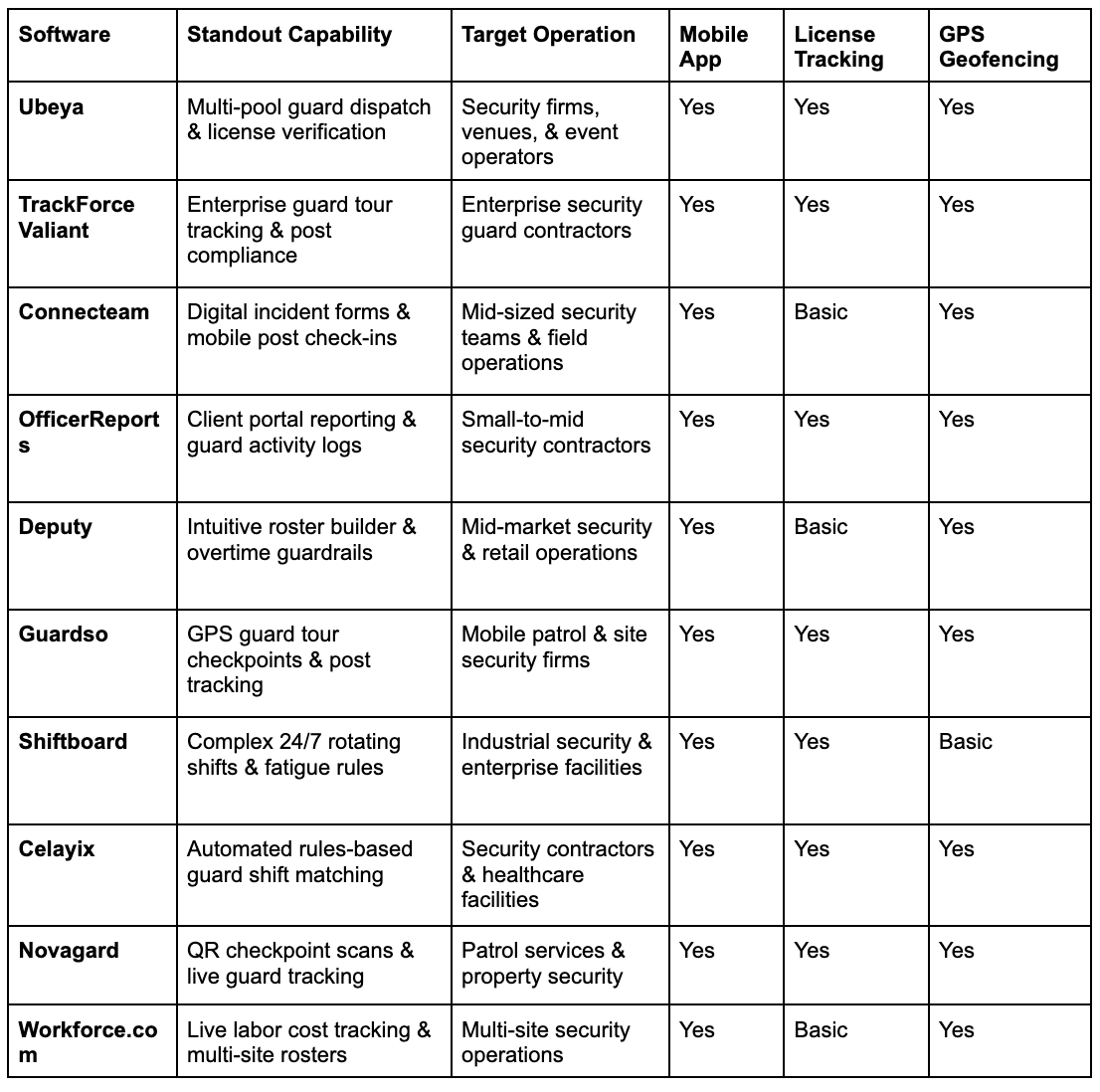
1. Ubeya
Best For: Security companies, stadium venue protection teams, event security operators, and staffing agencies managing high-volume, multi-site guard workforces.
Ubeya is a mobile-first platform engineered specifically for complex, shift-based operations where post compliance and rapid dispatch are critical. Rather than treating guard scheduling as an isolated spreadsheet task, Ubeya connects candidate vetting, license tracking, smart mobile dispatch, GPS time tracking, and client billing into a single operational hub.
The software excels at managing hybrid guard pools, enabling security directors to schedule internal core officers alongside external temporary agency guards seamlessly. Dispatchers broadcast open shifts directly to qualified guards via a native mobile app. Workers receive site briefs, review post instructions, and clock in via geofenced GPS verification. Ubeya automatically enforces license expiration rules, tracks overtime limits, and reconciles client bill rates, cutting administrative overhead while ensuring complete post coverage.
Pairing Ubeya's dispatch engine with an on demand staffing platform framework allows security operators to scale guard deployment rapidly during major venue events or unexpected client security surges.
2. TrackForce Valiant
TrackForce Valiant is an enterprise security management platform engineered specifically for physical security firms and guard operations. It provides comprehensive guard tour tracking, real-time post monitoring, visitor management, and automated guard dispatching. Its specialized security focus makes it an industry benchmark for enterprise guard companies, though smaller firms seeking rapid setup may find its system configuration complex.
3. Connecteam
Connecteam offers a versatile mobile platform designed for non-desk and security field teams. It provides shift scheduling, GPS-verified post check-ins, digital incident reporting forms, and team messaging in a single mobile app. Security leads can create shift rosters, attach post orders to shift briefs, and track guard attendance live. While excellent for mid-sized security teams, enterprise guard firms managing complex multi-client billing matrices may require specialized VMS integrations.
4. OfficerReports
OfficerReports is a dedicated security guard management software suite featuring guard tour tracking, digital incident reporting, daily activity logs, and guard scheduling. It focuses heavily on providing transparent client reporting, allowing security firm clients to log into portals to review guard check-ins and site reports in real time. It suits small-to-midsize security contractors seeking client-facing accountability.
5. Deputy
Deputy provides flexible scheduling and time tracking software designed for mid-market retail, hospitality, and security operations. It features drag-and-drop roster creation, auto-scheduling algorithms, tablet kiosk clock-ins, and automated break compliance tracking. Deputy helps security managers control labor budgets and prevent overtime accumulation, though tracking state guard license expiration dates requires manual document management.
6. Guardso
Guardso is a cloud-based security workforce management platform designed to streamline guard tour tracking, scheduling, and incident management. It offers real-time GPS guard tracking, geofenced post check-ins, custom guard tour checkpoints, and automated client reporting. Guardso focuses on providing user-friendly mobile tools for field guards and dispatchers.
7. Shiftboard
Shiftboard is an enterprise scheduling platform built specifically for complex, highly regulated industrial environments, including manufacturing, energy, and corporate security. It specializes in managing complex 24/7 rotating shift patterns, union rules, and strict fatigue management policies. Its robust compliance engine prevents dispatchers from assigning overworked or uncertified guards to critical posts.
8. Celayix
Celayix is a workforce management and employee scheduling platform designed for security guard companies and healthcare providers. It features automated shift matching algorithms that cross-reference guard availability, state licenses, pay rates, and site rules to generate compliant schedules. Its rules engine helps security firms eliminate unbudgeted overtime and billing errors.
9. Novagard
Novagard is a dedicated security management platform offering real-time guard tracking, automated post scheduling, incident reporting, and client portal access. It helps security contractors monitor guard movements across dispersed posts using mobile GPS check-ins and QR code checkpoint scans, ensuring guards remain active and accountable on duty.
10. Workforce.com
Workforce.com is a workforce management platform engineered to optimize labor costs, guard scheduling, and demand forecasting across hourly operations. It features live labor cost tracking, geofenced time clocks, and automated compliance checks. It allows security directors to track guard check-ins live and build compliant rosters across multiple client properties.
Software Comparison Across Key Features
How to Build a Workforce Management Process That Scales With Security Demand
To build a scalable, compliant security operation capable of expanding across new client contracts, implement this operational framework:
Hardcode State Licenses into Scheduling Rules
Input guard license numbers, firearm permits, and state expiration dates directly into guard profile databases. Configure software rules so the system automatically blocks uncertified or expired personnel from being scheduled or claiming open post shifts.
Automate Last-Minute Post Escalations
Establish automated shift bidding rules for sudden call-outs. Configure your software to broadcast open posts to off-duty, certified guards within a ten-mile radius, automatically escalating to partner security staffing agencies if the post remains unfilled thirty minutes before shift start.
Mandate GPS Geofenced Check-Ins
Require all field guards to clock in using mobile apps backed by GPS geofencing or site-specific QR checkpoint scans. Set up automated dispatcher alerts that trigger if a guard fails to check in within five minutes of post start times, eliminating unmonitored post vacancies.
Streamline Client Billing Reconciliation
Connect time tracking logs directly with client billing engines. Automatically cross-referencing verified post clock-ins against contract bill rates eliminates billing disputes and speeds up client invoice processing.
FAQs
Can workforce management software track security guard licenses and certifications?
Yes. Purpose-built security platforms track state guard licenses, firearm permits, CPR certifications, and site orientations. The software monitors expiration dates, sends automated renewal reminders to guards, and systemically blocks uncertified officers from being scheduled or assigned to posts.
Does security workforce management software support multi-site post coverage?
Yes. Cloud-based platforms give security dispatchers centralized visibility over multiple client sites simultaneously. Dispatchers can manage post schedules, track live guard check-ins, monitor patrol tours, and handle multi-site billing rules from a single master dashboard.
What compliance requirements affect security guard scheduling?
Security guard scheduling must comply with state guard licensing mandates, mandatory rest break laws, maximum weekly hour thresholds before overtime, and site-specific client security clearances. Additionally, lone worker safety regulations require tracking guard check-ins during isolated night posts.
Can GPS verify guards check in at the right post?
Yes. Mobile security time clock apps use smartphone GPS to create virtual geofences around assigned post locations. The app verifies that the guard is physically present within the designated boundary before permitting them to clock in or complete post check-ins.
How does real-time tracking help security managers during events?
Real-time tracking dashboards give security managers live visibility over guard arrivals, active post coverage, and patrol checkpoint scans across event venues. If a guard fails to report to an assigned gate or post, the system alerts managers instantly, allowing for rapid standby dispatch.
.jpg)

