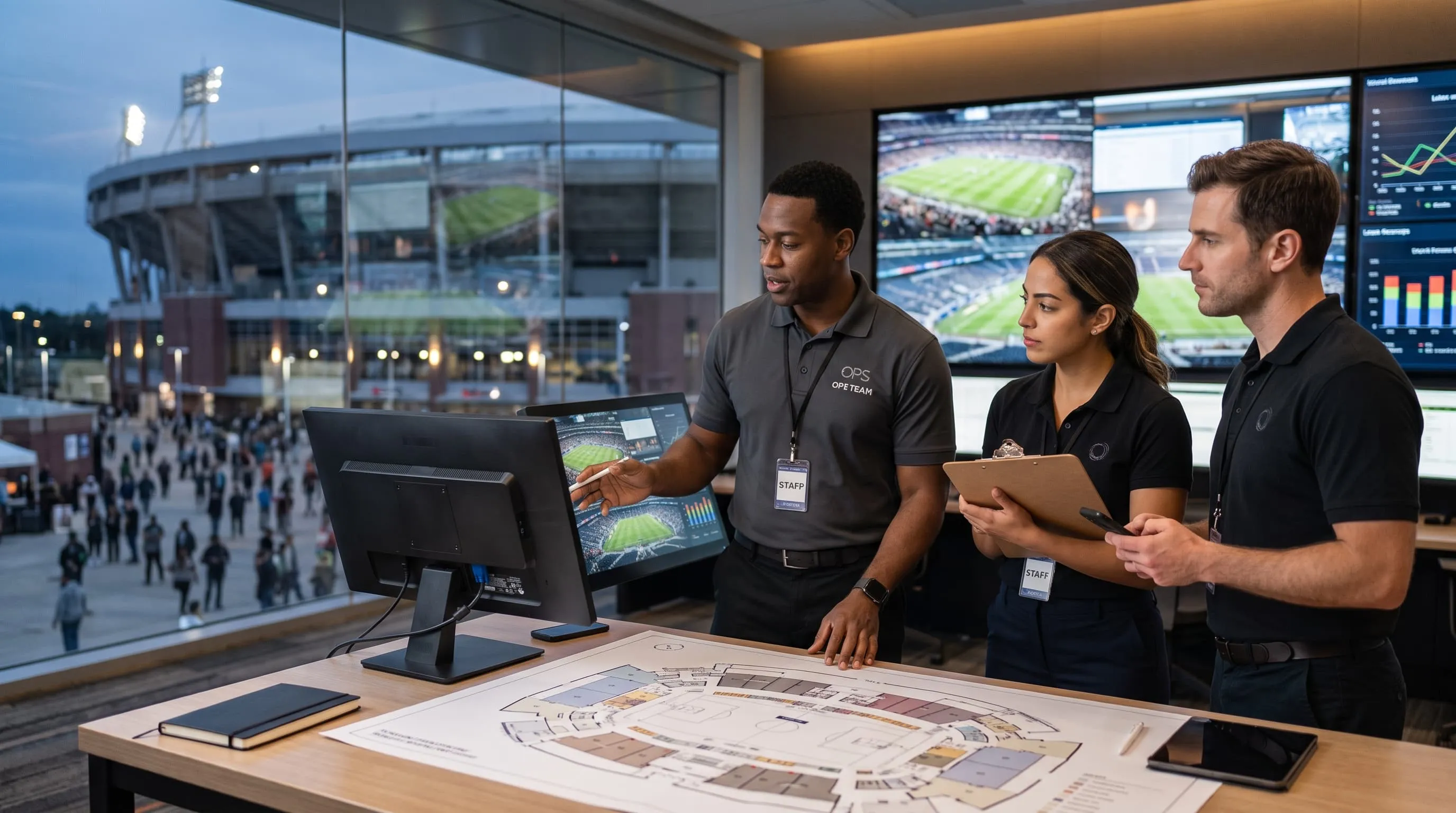
Planning an event is a daunting task that requires the balancing of many different elements. One of the most critical aspects of ensuring your event's success is the team you employ to carry it out. Hiring the right event staff can significantly impact the overall experience for attendees and contribute to a smooth execution of the event.
Understanding the Importance of Event Staff
Before beginning the hiring process, it's crucial to understand why event staff play such a crucial role in the success of your event. Without a competent, professional team, even the most meticulously planned event can fall flat.
The Role of Event Staff in Successful Events
Event staff are the backbone of any event. They are the ones on the ground, interfacing with attendees, managing minute-to-minute changes, troubleshooting issues, and ensuring that each component of the event runs smoothly and on time. They are also the face of your event, often the first and most frequent point of contact for your attendees.
Imagine a large-scale conference with hundreds of attendees. Event staff are responsible for handling registration, directing participants to the appropriate areas, and answering any questions or concerns they may have. They are the friendly faces that welcome attendees and create a positive first impression, setting the tone for the entire event.
During the event, event staff are constantly on the move, ensuring that everything is in order. They coordinate with vendors, manage audiovisual equipment, and troubleshoot any technical issues that may arise. They are adept at problem-solving and can think on their feet to resolve any unexpected challenges that may come their way.
Moreover, event staff serve as ambassadors for your brand or organization. They represent your values and mission, acting as brand advocates and creating a cohesive experience for attendees. Their professionalism and attention to detail reflect positively on your event, leaving a lasting impression on participants.
Why Hiring the Right Staff Matters
Having the right staff is critical to an event's success. They not only execute the plans but also have a significant impact on the overall attendee experience. Hiring staff with the necessary skills, experience, and attitude can elevate your event and ensure a positive, memorable experience for all.
When hiring event staff, it's essential to consider their expertise in specific areas. For instance, if you're organizing a tech conference, having staff with knowledge of the latest technology trends and gadgets can enhance the overall experience for tech-savvy attendees. On the other hand, if you're hosting a cultural festival, hiring staff who are familiar with the traditions and customs of the target audience can create a more immersive and authentic experience.
Furthermore, the attitude and demeanor of event staff can make or break an attendee's impression of the event. Friendly, approachable staff who genuinely care about the participants' experience can create a welcoming and inclusive atmosphere. On the other hand, staff who are disinterested or unresponsive can leave attendees feeling neglected and unimportant.
Investing in the right event staff is an investment in the success of your event. By carefully selecting individuals who align with your event's objectives and values, you can ensure that every aspect of the event is executed flawlessly. The right event staff will not only meet your expectations but exceed them, leaving attendees with a memorable and positive experience.
Identifying Your Event Staffing Needs
Before you can begin hiring your event staff, it's crucial to identify your specific staffing needs. This process will be heavily dependent on the size, scope, and nature of your event.
When it comes to organizing an event, whether it's a small gathering or a large-scale conference, having the right staff in place is essential. These are the people who will help bring your event to life, ensuring that everything runs smoothly and that your attendees have a memorable experience. But how do you go about identifying your event staffing needs? Let's delve deeper into this topic.
Assessing the Size and Scope of Your Event
Different events will require different amounts and types of event staff. A small, intimate gathering might only need a handful of staff members, while a large conference or festival could require dozens. Consider the scale of your event, as well as any specific roles you'll need to fill.
For example, if you're organizing a small networking event, you might only need a couple of registration staff to check attendees in and direct them to the right areas. On the other hand, if you're planning a multi-day conference with multiple sessions, workshops, and exhibitor booths, you'll need a larger team to handle various tasks such as registration, session coordination, AV setup, and attendee assistance.
It's important to consider not only the number of staff needed but also their distribution across different areas of your event. For instance, if you have multiple stages or breakout rooms, you'll need to ensure that each area has adequate staff to manage the flow of attendees and handle any issues that may arise.
Determining the Skills and Experience Required
Once you've assessed the size and scope of your event, you can begin to identify the specific skills and experience your event staff will need. Not all events require staff with the same skill sets. A technical conference, for example, might need staff with knowledge of cutting-edge technology, while a musical festival might require staff familiar with handling audio and stage equipment.
Consider the nature of your event and the tasks that need to be performed. Will you need staff with expertise in event planning and coordination? Will you require individuals who are skilled in customer service and can handle attendee inquiries and concerns? Do you need staff who are physically fit and capable of setting up and dismantling equipment?
Furthermore, think about the experience level required for each role. Some positions may require individuals with years of experience in event management, while others may be suitable for those who are just starting their careers in the industry. By clearly defining the skills and experience needed, you can ensure that you hire the right people for the job.
In conclusion, identifying your event staffing needs is a crucial step in the event planning process. By assessing the size and scope of your event and determining the specific skills and experience required, you can ensure that you have the right team in place to make your event a success.
The Hiring Process for Event Staff
Finding, interviewing, selecting, and training event staff can be a rigorous process. However, it's an essential part of ensuring your event's success. The right team can make all the difference in creating a memorable and seamless experience for your attendees.
Where to Find Potential Event Staff
There are numerous places to look for potential event staff. Local universities are often a great starting point. Many students are eager for part-time work and gaining experience in their field of study. Job boards, both online and offline, can also be valuable resources. These platforms allow you to reach a wider audience and attract individuals with specific skill sets.
Staffing agencies specialize in connecting employers with qualified candidates. They have a pool of pre-screened individuals who are ready to work. By partnering with a staffing agency, you can save time and effort in the recruitment process.
Professional networking events and industry conferences are not only great opportunities to learn and connect with peers, but they can also yield potential candidates. These events attract individuals who are passionate about the industry and eager to contribute their skills to meaningful projects.
Online platforms, like LinkedIn or Indeed, have revolutionized the way we search for talent. These platforms allow you to search for candidates based on specific criteria, such as location, experience, and skills. They also provide a space for candidates to showcase their work history and receive endorsements from colleagues and supervisors.
Interviewing and Screening Candidates
Once you've identified potential candidates, the next step is to conduct thorough interviews and screenings. This process not only helps you identify if a candidate has the necessary skills and experience, but it also gives you a chance to gauge their attitude and fit within your team.
During the interview, it's important to ask open-ended questions that allow candidates to demonstrate their problem-solving abilities and critical thinking skills. You may also want to conduct role-playing exercises to assess their ability to handle challenging situations that may arise during the event.
Screening candidates can involve checking references, verifying employment history, and conducting background checks. These measures help ensure that the individuals you hire have a track record of reliability and professionalism.
Making the Final Selection
The final stage of the hiring process is to select your event staff. During this phase, consider not only the candidates' skills and experience, but also their fit with your organization's culture and the specific demands of your event.
It can be helpful to involve multiple stakeholders in the decision-making process. This can include representatives from different departments within your organization, as well as individuals who have a deep understanding of the event's objectives and requirements.
Creating a diverse team can also enhance the overall experience for your attendees. By bringing together individuals with different backgrounds, perspectives, and expertise, you can ensure that your event offers a well-rounded and inclusive experience for all.
Once you've made your final selection, it's important to communicate your decision to all candidates, including those who were not chosen. Providing feedback and expressing gratitude for their time and effort shows professionalism and respect.
Remember, the hiring process is just the beginning. Once you have assembled your event staff, it's crucial to invest time and resources into their training and development. This ongoing support will empower them to perform at their best and contribute to the success of your event.
Training and Preparing Your Event Staff
Once you've selected your event staff, it's essential to adequately train and prepare them for your event.
Providing Necessary Information and Guidelines
Provide your event staff with all the information they will need to perform their roles effectively. This might include detailed schedules, venue information, event objectives, and any other pertinent information.
Conducting Pre-Event Training Sessions
Conduct pre-event training sessions to ensure all staff understand their roles and responsibilities. These sessions can also be a great opportunity to address any questions or concerns staff might have.
Managing Your Event Staff Effectively
Effectively managing your event staff is crucial to ensuring a well-run event. Clear communication and ensuring staff satisfaction can greatly improve the event's smooth execution.
Establishing Clear Communication Channels
Clear communication is key to managing your event staff effectively. Establish multiple lines of communication, ensure everyone knows who they should report to with any issues, and keep everyone up-to-date on any changes or developments.
Ensuring Staff Satisfaction and Retention
The satisfaction of your staff is critical to the success of your event. Happy staff are more likely to perform well, stay motivated, and deliver excellent customer service. Ensure your team feels appreciated and valued, and you’ll increase your chances of retaining great staff for future events.
In conclusion, hiring the right event staff is a complex but essential process. By understanding the importance of your staff, identifying your staffing needs, carefully executing your hiring process, adequately training your staff, and managing them effectively, you can greatly enhance the success of your event.