
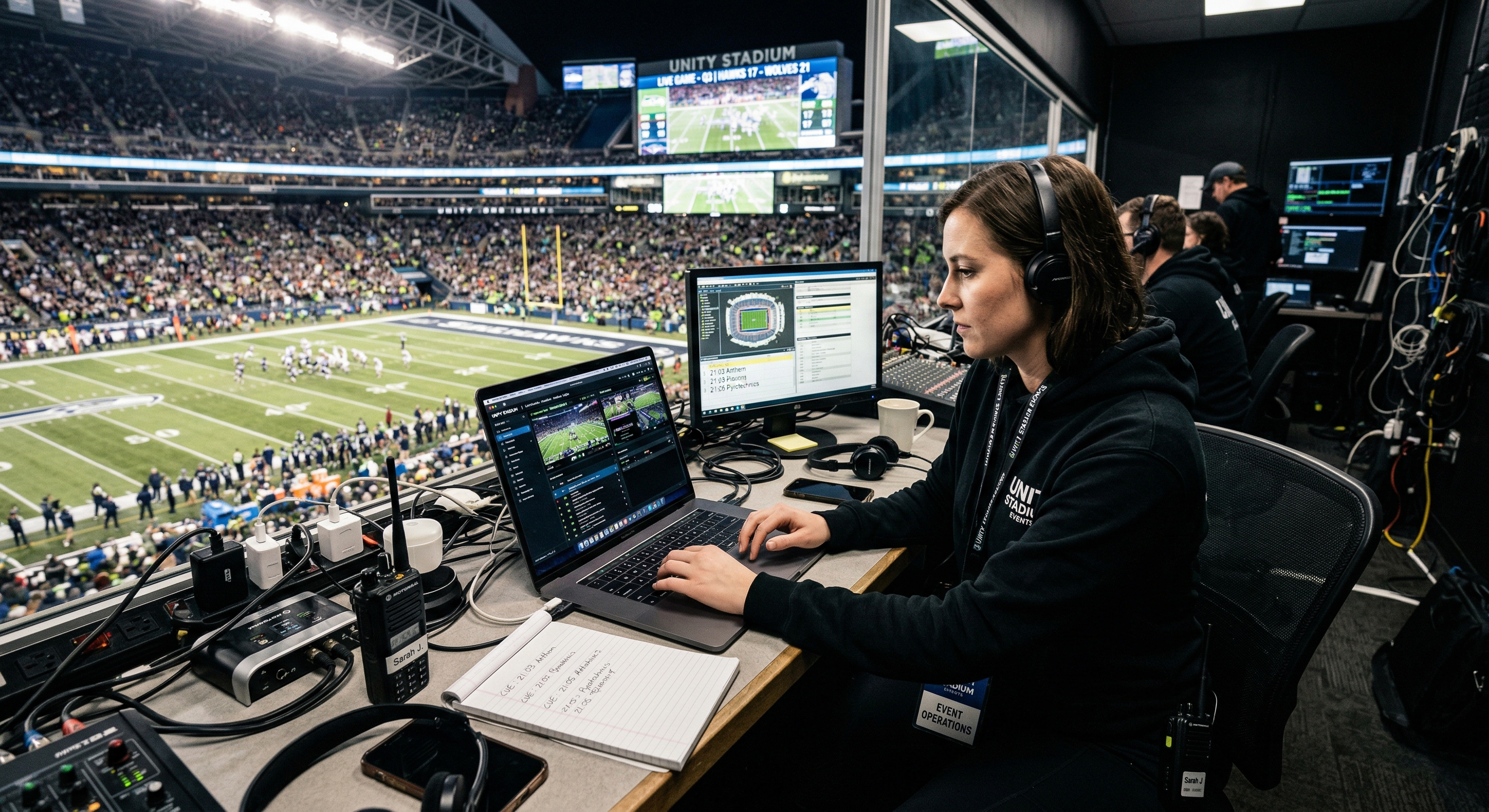
Event Staff Management: Key Aspects & Benefits
Key Takeaways
- Strong staff coordination reduces operational chaos and improves attendee satisfaction
- Clear communication and structured planning are essential for smooth execution
- Technology simplifies scheduling, tracking, and real-time adjustments
Managing people is at the heart of every successful event. Whether it is a conference, festival, or corporate gathering, the ability to coordinate staff effectively can make or break the experience. Event staff management ensures that every team member knows their role, arrives on time, and performs efficiently throughout the event lifecycle.
What Is Event Staff Management?
Event staff management refers to the process of planning, organizing, and supervising all personnel involved in delivering an event. This includes recruitment, training, scheduling, communication, and performance monitoring.
Unlike traditional workforce environments, events are time-bound and often involve temporary teams. Staff may include ushers, security personnel, catering teams, technicians, and coordinators, all working together under tight deadlines.
Effective management ensures that:
- Every role is clearly defined
- Staff members are properly trained and briefed
- Schedules align with event requirements
- Communication flows smoothly before and during the event
To better understand how staffing fits into the broader event lifecycle, it helps to review a complete event staffing guide, which outlines how to build and manage event teams from the ground up.
Key Challenges of Managing Event Staff
Managing event teams comes with unique operational challenges. These challenges often arise from the dynamic and fast-paced nature of events.
High Turnover and Temporary Workforce
Event staff are often hired on a short-term basis. This means managers must constantly onboard new workers who may not be familiar with the event or company expectations. The lack of continuity can lead to inconsistent performance if onboarding is not handled properly.
Scheduling Complexity
Coordinating shifts across multiple roles, locations, and time slots is a major hurdle. Even small errors in event staff scheduling can lead to understaffed areas or unnecessary overlaps, both of which impact service quality and operational flow.
Last-Minute Changes
No-shows, late arrivals, or unexpected demand changes can disrupt the entire workflow. These disruptions require immediate responses, often forcing managers to reshuffle staff on the spot.
Communication Gaps
With large teams spread across venues, ensuring everyone receives updates in real time can be difficult. Without centralized communication, instructions can become fragmented, leading to confusion and inefficiencies.
Compliance and Accountability
Tracking working hours, ensuring legal compliance, and maintaining accountability for tasks can become complicated without proper systems in place. This is especially true when managing multiple teams across different locations.
Key Aspects of Effective Event Staff Management
To overcome these challenges, event organizers must focus on several core pillars that drive efficiency and reliability.
Strategic Workforce Planning
Before hiring begins, it is essential to define staffing needs based on the event size, type, and complexity. This includes identifying required roles, estimating staff numbers, and allocating budgets accordingly.
Proper planning lays the foundation for successful event workforce management, ensuring that resources are aligned with operational demands from the start.
Efficient Recruitment and Onboarding
Hiring the right people is critical. Event staff should be adaptable, reliable, and capable of working in fast-paced environments.
A structured onboarding process should include:
- Clear role descriptions
- Event-specific training
- Venue orientation
- Expectations for communication and conduct
This preparation ensures staff are confident and ready to perform.
Structured Scheduling
A well-organized schedule ensures optimal coverage across all event areas. Managers should assign shifts based on skills, availability, and event priorities.
Using an event staff scheduling app helps eliminate manual errors, improves visibility, and allows for quick adjustments when needed. It also ensures that staff have access to their schedules at all times.
Clear Communication Channels
Communication should be centralized, consistent, and accessible. Staff need timely updates regarding schedules, responsibilities, and any changes that occur before or during the event.
Mobile-first communication tools are especially valuable, as they allow managers to send instant updates and ensure everyone stays aligned in real time.
Performance Monitoring and Feedback
Monitoring staff performance during and after the event provides valuable insights. Tracking attendance, punctuality, and task completion helps identify areas for improvement.
Post-event feedback also plays a key role in refining processes and building stronger teams for future events.
On-Site Coordination
During the event, real-time coordination is essential. Managers must oversee staff distribution, address issues immediately, and maintain service quality across all areas.
Strong on-site leadership ensures that even unexpected challenges are handled efficiently.
Benefits of Strong Event Staff Management
When done effectively, managing event staff delivers measurable benefits that directly impact event success.
Improved Operational Efficiency
Well-coordinated teams reduce delays and ensure tasks are completed on time. This creates a smoother experience for both staff and attendees.
Reduced No-Show Rates
Clear communication, transparent scheduling, and accountability measures significantly reduce last-minute absences.
Enhanced Attendee Experience
Staff are often the face of the event. When they are well-prepared and organized, attendees receive better service, clearer guidance, and a more enjoyable experience overall.
Cost Optimization
Efficient staffing prevents overstaffing and reduces unnecessary labor costs. It also minimizes costly errors and last-minute fixes.
Better Team Engagement
When staff feel informed and supported, they are more engaged in their roles. This leads to higher productivity and improved performance during the event.
Scalable Operations
Strong management processes allow organizers to scale their operations more effectively. Whether managing a small event or a large-scale production, having structured systems in place ensures consistency.
Organizations managing complex or recurring events often rely on dedicated platforms and workflows, similar to those described in our event solutions for businesses, to maintain consistency across multiple operations.
How Technology Supports Event Staff Management
Technology has become a central component of modern event operations. It enables organizers to manage large teams efficiently while maintaining flexibility and control.
Ubeya
Ubeya is a comprehensive platform built specifically for event teams and temporary workforces. It brings together scheduling, communication, and workforce tracking into one streamlined system.
With Ubeya, managers can create detailed schedules, assign roles based on skills, and monitor attendance in real time. Staff members can access their shifts, confirm availability, and receive updates directly through the app, which significantly improves transparency and accountability.
The platform also reduces no-shows through automated reminders and confirmations. This ensures that staff are aware of their responsibilities and committed to their shifts.
In addition, Ubeya provides data-driven insights that help event organizers evaluate performance and optimize future planning. By centralizing all workforce operations, it reduces administrative workload and allows managers to focus on delivering high-quality events.
For those evaluating different tools, understanding what to look for in a platform is essential. This is explored in detail in this guide on choosing the right event staffing solution.
Other Solutions
Other workforce management tools offer varying levels of support for event operations.
- Some platforms focus mainly on scheduling without advanced communication features
- Others provide general workforce management tools but lack event-specific functionality
- A few offer tracking capabilities but do not support real-time updates effectively
While these tools can support basic needs, they often fall short when managing dynamic event environments that require instant communication and rapid adjustments.
Building a Long-Term Strategy for Event Staff Success
Beyond individual events, organizations benefit from developing a long-term approach to staff management. This involves building a reliable pool of trained professionals, refining operational processes, and continuously improving based on data and feedback.
Consistency is key. When staff return for multiple events, they become more familiar with expectations, workflows, and brand standards. This reduces onboarding time and improves overall performance.
Investing in structured processes also allows event managers to shift from reactive problem-solving to proactive planning. Instead of constantly addressing last-minute issues, teams can focus on enhancing the overall event experience.
Technology plays a critical role in this transition. By automating repetitive tasks and providing real-time visibility, platforms enable managers to operate with greater confidence and control.
Ultimately, strong staff management is not just about executing a single event successfully. It is about creating a repeatable system that delivers reliable results, supports team growth, and enhances every aspect of event operations.
FAQ
What does event staff management include?
Event staff management includes recruiting, training, scheduling, and supervising personnel involved in an event. It also covers communication, attendance tracking, and performance evaluation. The goal is to ensure that all staff members are prepared, coordinated, and aligned with the event’s objectives.
Why is managing event staff different from managing permanent employees?
Event staff are typically temporary and work under tight timelines. Unlike permanent employees, they require quick onboarding and immediate productivity. Managers must also handle frequent changes, high turnover, and time-sensitive coordination, which makes the process more dynamic and complex.
How do you handle last-minute staff changes at an event?
Handling last-minute changes requires flexibility and quick communication. Managers should maintain a pool of backup staff, use real-time communication tools, and adjust schedules instantly. Having a clear contingency plan ensures minimal disruption to operations.
How can event management software improve staff coordination on the day?
Event management software centralizes scheduling, communication, and updates in one platform. It allows managers to send real-time notifications, track attendance, and adjust shifts instantly. This improves visibility, reduces confusion, and ensures all staff remain aligned throughout the event.
.jpg)

